

Battery raw materials market seen reaching $87.1 billion by 2031
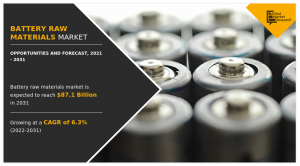
By AI, Created 1:06 PM UTC, June 02, 2026, /AGP/ – Allied Market Research says the global battery raw materials market is set to grow to $87.1 billion by 2031, driven by demand for consumer electronics, energy storage, and electric vehicles. The report also highlights sodium-ion batteries, sustainable sourcing, and dry electrode processing as key trends reshaping the supply chain.
Why it matters: - Battery raw materials sit at the center of growth in electric vehicles, consumer electronics and grid-scale energy storage. - The market’s expansion signals rising demand for lithium, cobalt and related inputs across the battery supply chain. - The report frames the category as a strategic area for companies trying to protect margins and secure supply.
What happened: - Allied Market Research published a report on the global battery raw materials market. - The study projects the market will reach $87.1 billion by 2031. - The report forecasts a 6.3% CAGR from 2022 to 2031. - The report is designed to help market participants evaluate competition, revenue opportunities and investment priorities. - The analysis uses Porter’s Five Forces and PESTEL frameworks. - The report includes company profiles and financial performance data for major industry players. - More information is available in the downloadable brochure. - Questions can be submitted through the expert inquiry page. - The report can also be purchased through the report page. - The full summary report is also available.
The details: - Demand for smartphones and laptops is a major driver of battery raw materials consumption. - Growth in energy storage systems for power generation and utility markets is creating additional demand. - Backup power needs across industries are also supporting the market. - Rapid global EV adoption is expected to keep boosting battery raw materials demand. - Sodium-ion batteries are emerging as a battery alternative. - Sodium-ion technology offers safer and more sustainable materials than lithium-ion batteries, but with lower energy density. - Battery manufacturers are showing more interest in sustainable sourcing and cleaner extraction processes for lithium and cobalt. - Bio-based materials are drawing growing attention from manufacturers. - Dry electrode processing is gaining traction because it can reduce energy use and production costs. - Tesla’s 4680 battery cells are an example of that shift.
Between the lines: - The report points to a market moving from pure demand growth toward supply-chain and manufacturing efficiency questions. - Sodium-ion and dry electrode processing suggest the industry is looking for alternatives that can lower cost and improve sustainability. - The focus on cleaner extraction shows battery materials are now a sourcing and reputational issue, not just a volume story. - The document’s repeated emphasis on competitive analysis suggests companies are seeking a clearer map of where value may shift next.
What’s next: - The report expects EV adoption, energy storage deployment and electronics demand to keep supporting market growth through 2031. - Manufacturers are likely to keep testing lower-cost and more sustainable battery chemistries and processing methods. - Companies tracking the sector will need to watch material sourcing, technology shifts and competitive positioning at the same time.
The bottom line: - Battery raw materials are moving from a support function to a strategic market in their own right, with growth tied to electrification and the race for cleaner, cheaper battery production. - Key companies named in the report include BASF SE, Nichia Corporation, TOSHIBA Corporation, Valence Technology, ENTEK International, LG Chem, ECOPRO, Nippon Denko, Targray Technology International, Celgard, ASAHI KASEI, Mitsubishi Chemical, Hitachi Chemical, NEI Corporation, Showa Denko, Johnson Matthey and 3M.
Disclaimer: This article was produced by AGP Wire with the assistance of artificial intelligence based on original source content and has been refined to improve clarity, structure, and readability. This content is provided on an “as is” basis. While care has been taken in its preparation, it may contain inaccuracies or omissions, and readers should consult the original source and independently verify key information where appropriate. This content is for informational purposes only and does not constitute legal, financial, investment, or other professional advice.
Sign up for:
Chemicals Press Releases
The daily local news briefing you can trust. Every day. Subscribe now.
Check Your Email!
We sent a one-time activation link to: .
Confirm it's you by clicking the email link.
If the email is not in your inbox, check spam or try again.
Welcome back!
is already signed up. Check your inbox for updates.