

Blood Test May Predict Immunotherapy Response in Head and Neck Cancer
A new Northwestern Medicine study suggests that a simple blood test could help identify which patients with head and neck cancer will be most likely to benefit from immunotherapy, according to a study published in the Journal of Clinical Investigation.
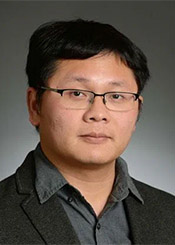
The advancement could help spare patients from ineffective treatment, said Yaping Liu, PhD, assistant professor of Biochemistry and Molecular Genetics, who was senior author of the study.
“Only about one in five patients with head and neck cancer actually respond to immunotherapy,” said Liu, who is also an assistant professor in the Ken and Ruth Davee Department of Neurology. “The rest go through months of treatment, side effects, uncertainty and anxiety, and we don’t currently have a reliable way to predict who will benefit.”
Head and neck squamous cell carcinoma (HNSCC) affects hundreds of thousands of people worldwide each year, and while immunotherapy has emerged as one of the most promising cancer treatments in the past decade, response rates remain low.
To address this gap, Liu and colleagues developed a new blood test and scoring system that analyzes patterns in cell-free DNA (cfDNA) — tiny fragments of DNA that circulate in the bloodstream after being shed by dying cells. Unlike many existing liquid biopsy approaches that focus on tumor mutations, the new method examines how DNA is fragmented across the genome.
“What we’re looking at is not just mutations,” Liu said. “Cell-free DNA comes from both tumor cells and immune cells. Since immunotherapy depends on the interaction between those two systems, we were able to capture signals from both.”
In the study, Liu and his collaborators analyzed 185 blood samples collected over time from 68 patients enrolled in a multi-institutional phase II clinical trial of pembrolizumab, an immune checkpoint inhibitor. Patients were treated before and after surgery, allowing investigators to track changes in cfDNA patterns throughout therapy.
“We developed a simple blood test that reads patterns in the small fragments of DNA floating in the bloodstream,” Liu said. “These fragments come not only from tumors but also from immune cells, so they carry information about both sides of the cancer-immune interaction.”
The results showed that the blood test and scoring system could reliably distinguish responders from non-responders and outperformed existing biomarkers, Liu said.
When incorporated into a machine learning model, the scoring system demonstrated high predictive accuracy across multiple settings. Patients classified as likely responders based on the test had significantly better outcomes, including improved disease-free survival.
“Even without training a model, once we corrected for technical factors and visualized the data, the responders and non-responders separated naturally,” Liu said. “That was really striking.”
While the findings are promising, Liu emphasized that further validation will be needed before they can be widely adopted in clinical practice.
“This was done within a phase II trial, and while it included multiple centers, the sample size is still relatively small,” he said. “The next step is to validate these results in independent clinical trials.”
If confirmed in future studies, the blood test could offer a minimally invasive way to guide treatment decisions and improve outcomes for patients facing head and neck cancer, Liu said.
Beyond head and neck cancer, Liu and his team are already exploring whether the approach could be applied to other diseases.
“This is just the starting point,” Liu said. “We’re interested in seeing whether similar patterns can predict response in other cancers, or even in non-cancer diseases where the interaction between tissues and the immune system plays a role.”
Trisha Wise-Draper, MD, PhD, professor at the University of Cincinnati College of Medicine, was a co-senior author of the paper. Ravi Bandaru, a current Feinberg medical student, was first author of the paper.
The study was supported by National Human Genome Research Institute grant R56HG012360 as well as startup funds from Cincinnati Children’s Hospital Medical Center, Northwestern University and the Robert H. Lurie Comprehensive Cancer Center. Additional funding was provided by the Science Olympiad Alumni Research Grant, Science Olympiad USA Foundation and Merck Sharp & Dohme Corp.
Legal Disclaimer:
EIN Presswire provides this news content "as is" without warranty of any kind. We do not accept any responsibility or liability for the accuracy, content, images, videos, licenses, completeness, legality, or reliability of the information contained in this article. If you have any complaints or copyright issues related to this article, kindly contact the author above.
