

Chemical Footprint Analysis of 156,000 Beauty and Personal Care Products Reveals Areas to Strengthen Chemical Safety
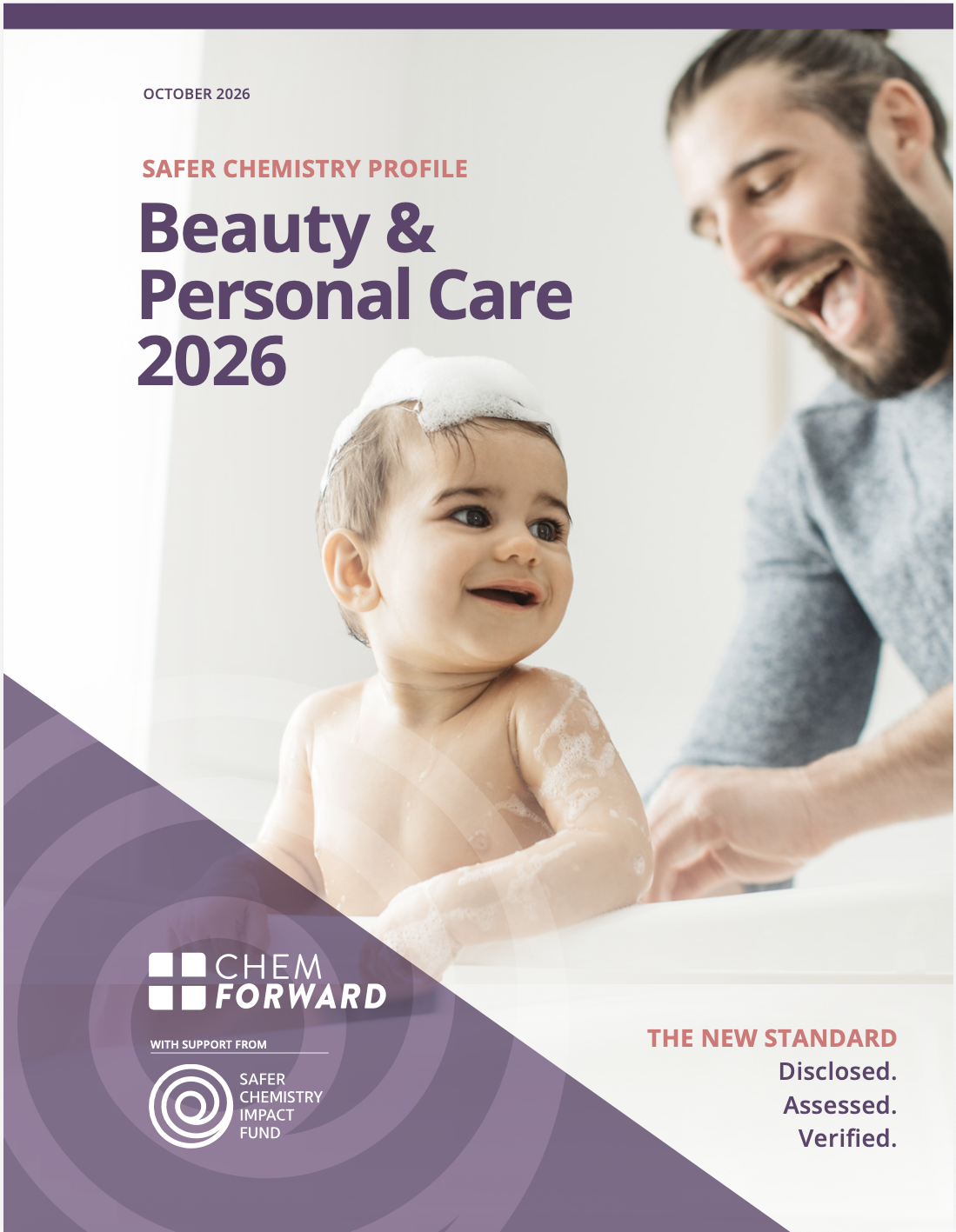
BPC Safer Chemistry Profile 2026 Cover
New findings identify endocrine-disrupting chemicals, changing hazard classifications & transparency gaps while providing a roadmap for safer chemistry
WASHINGTON, DC, UNITED STATES, October 22, 2026 /EINPresswire.com/ -- Ahead of a major United Nations chemicals conference in November, the largest-ever analysis of the chemical footprint of beauty and personal care products reveals opportunities to strengthen chemical management policy, including on endocrine-disrupting chemicals, while showing how the industry can measure its transition to safer ingredients.The Know Better, Do Better (KBDB) Collaborative, an industry-led initiative managed by ChemFORWARD, today released its 2026 Beauty & Personal Care Safer Chemistry Profile. The analysis examines nearly 2.9 million ingredient occurrences across 156,594 products commercially available in the U.S., more than tripling the number of products analyzed last year. Among the findings, researchers identified 19 potential endocrine-disrupting chemicals, as defined in the report, and new scientific evidence that changed the hazard classifications of two widely used ingredients.
The findings arrive ahead of the first international conference of the UN Global Framework on Chemicals in Geneva, November 16–20, where global leaders will discuss translating chemical safety targets into action. Powered by the Safer Chemistry Impact Metrics Framework, the analysis demonstrates how companies can evaluate their chemical footprint, identify emerging concerns, and track progress toward safer ingredients.
“This is how a central source of dynamic chemical hazard data can drive progress at scale,” said Heather McKenney, Director, Science & Safer Chemistry at ChemFORWARD. “As the Chemical Hazard Data Trust grows, we can identify emerging concerns earlier, close knowledge gaps faster, and give companies the information they need to make safer decisions proactively.”
The KBDB Collaborative includes retailers, brands, and suppliers, including Sephora, Ulta Beauty, Target, The Honest Company, Credo Beauty, Counter, Inolex, and Dow, who have committed to a collaborative effort to fill chemical hazard knowledge gaps and share the data generated
Key findings include:
- 96.8% of ingredients were disclosed, and 69.4% were characterized for human health and environmental hazards.
- 62.8% were classified as safer chemistry, while 5.3% were classified as chemicals of potential concern by frequency.
- Up to 15.4% of products analyzed may contain an endocrine-disrupting chemical (EDC), as defined in the report.
- 24% — more than 40,000 products — contain undisclosed fragrance ingredients.
- The collaborative filled nearly 174,000 individual chemical knowledge gaps in 2025.
Science-based methods provide an early signal
During a 2025 review, new scientific and regulatory information prompted the reassessment of caprylyl glycol and phenethyl alcohol. Following reassessment and independent peer review, both moved from ChemFORWARD Hazard Band C to Hazard Band F based on reproductive toxicity data published after the original CHAs were verified.
Caprylyl glycol appears in approximately 23% of products analyzed, demonstrating how new hazard information about a single widely used ingredient can have implications across thousands of products.
The analysis also identified 19 EDCs, as defined in the report, in the aggregated dataset, appearing 34,885 times. The finding demonstrates how chemical hazard assessment can uncover potential concerns beyond chemicals subject to regulation and restricted substances lists.
Fragrance emerges as a key transparency gap
For the first time, the report measures ingredient disclosure, revealing fragrance as one of the industry’s largest remaining transparency gaps. Nearly one in four products analyzed — more than 40,000 — contain undisclosed fragrance ingredients.
Because “fragrance” can represent a mixture of many individual chemicals, undisclosed components cannot be fully characterized for potential hazards. The finding comes as U.S. and European regulators move toward greater fragrance ingredient disclosure, increasing pressure on the industry to better understand what is in these mixtures.
Shared investment accelerates progress
In 2025, Collaborative members invested approximately $140,000 to fund 33 new or updated Chemical Hazard Assessments, filling nearly 174,000 knowledge gaps. The resulting data is shared through the Chemical Hazard Data Trust, with an average investment of less than $1 for each knowledge gap filled.
“For years, clean beauty has largely focused on lists of ingredients to avoid,” Glass said. “This work gives the industry a way to go further — to understand the chemistry actually being used, identify what we know and don’t know about those ingredients, and use that information to drive safer formulation and innovation.”
The 2026 profile applies the Safer Chemistry Impact Metrics Framework developed by the Safer Chemistry Impact Fund, providing a common approach for measuring progress toward safer chemistry.
Full findings from the 2026 Beauty & Personal Care Safer Chemistry Profile are available at www.chemforward.org.
About ChemFORWARD
ChemFORWARD is a nonprofit, science-based organization dedicated to ending toxic chemical exposure by making hazard data broadly accessible and illuminating safer alternatives. Utilizing transparent, toxicologist-created, peer-reviewed information housed in the Chemical Hazard Data Trust paired with standardized metrics, ChemFORWARD provides annual Safer Chemistry Profile reporting for brands, retailers, and suppliers that enables the creation of safer, more sustainable products across industries like beauty, electronics, apparel, and packaging.
About Know Better, Do Better Collaborative
The Know Better, Do Better (KBDB) Collaborative, established in 2023 and managed by ChemFORWARD, brings together beauty industry leaders to improve knowledge and ingredient safety across the value chain. This science-based, data-driven commitment to hazard transparency boosts confidence in using safer chemistry in beauty and personal care products by utilizing a shared data set and collaborating to fill critical data gaps. The initiative focuses on sharing science-backed information to drive safer, health-conscious decisions in beauty products.
ChemFORWARD
PR
Visit us on social media:
LinkedIn
Instagram
Legal Disclaimer:
EIN Presswire provides this news content "as is" without warranty of any kind. We do not accept any responsibility or liability for the accuracy, content, images, videos, licenses, completeness, legality, or reliability of the information contained in this article. If you have any complaints or copyright issues related to this article, kindly contact the author above.
